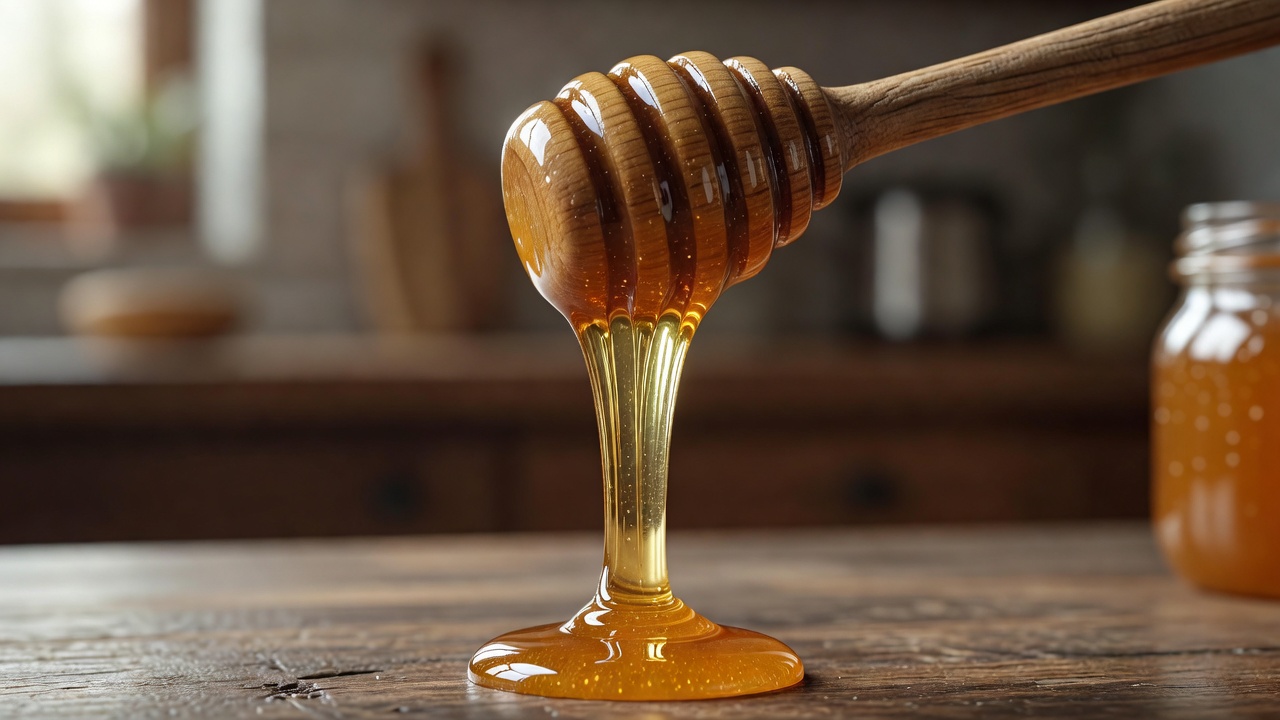
Honey is a supersaturated sugar solution produced by bees from floral nectar. While bees fan their wings over nectar cells to evaporate excess moisture, prematurely harvesting un-capped honey frames risks fermentation by wild osmotolerant yeasts.
1. The Critical 18.6% Moisture Threshold
According to USDA honey grading standards, honey containing over 18.6% water content is classified as Grade C or substandard due to high risk of fermentation. Premium raw honey ideally measures between 15.5% and 17.5% moisture.
2. Calibrating Optical Refractometers
Before extracting frames from honey supers, take sample droplets from un-capped frame centers across multiple boxes:
- Temperature calibrate optical or digital refractometers to 20°C (68°F).
- Wipe the prism glass clean using distilled water and lint-free microfiber lens cloth.
- Verify readings: if readings hover at 19% or higher, return frames to the hive or place in a dehumidified hot room prior to uncapping.
3. The Rule of Comb Capping
As a rule of thumb, ensure at least 80% to 90% of the honeycomb surface area on both sides of each frame is fully capped with beeswax before extraction.